CPAP Mask Types: Full Face vs Nasal vs Pillow — Which Should You Choose?
July 18, 2026 2026-07-20 10:28 admin
admin CPAP Mask Types: Full Face vs Nasal vs Pillow — Which Should You Choose?

Choosing between full face vs nasal vs pillow mask types is one of the most common questions new CPAP and BiPAP users face, and it genuinely affects how well therapy works night to night.
The right mask type depends on how you breathe while sleeping, your sleep position, and your prescribed pressure — not just personal preference. This full face vs nasal vs pillow mask comparison walks through each option using our actual in-stock models.
Full Face Mask
A full face mask covers both the nose and mouth, making it the right choice for mouth breathers or anyone with nasal congestion or a deviated septum that makes nose-only breathing unreliable overnight.
It’s also generally the safest default recommendation for new BiPAP users on higher pressure settings, since it delivers air regardless of whether the mouth or nose is open during sleep.
ResMed AirFit F20 Full Face Mask — ₹4,950
Nasal Mask
A nasal mask covers only the nose, sitting over the bridge and nostrils rather than the whole face. It suits nose-breathers who don’t need mouth coverage, and tends to feel less bulky and claustrophobic than a full face option.
It’s a good middle-ground choice for people who want more freedom of movement, including reading or wearing glasses in bed, without the wider seal area a full face mask needs.

ResMed N20 Nasal Mask — ₹3,200
Pillow Mask
A pillow mask uses small cushions that sit directly at the nostril openings rather than covering the nose entirely, making it the least intrusive of the three mask types.
It’s popular with side sleepers and anyone who dislikes the feeling of a mask touching their cheeks or forehead.
The tradeoff is that pillow masks generally aren’t recommended for higher pressure settings, since the smaller seal area can be less stable at high airflow.
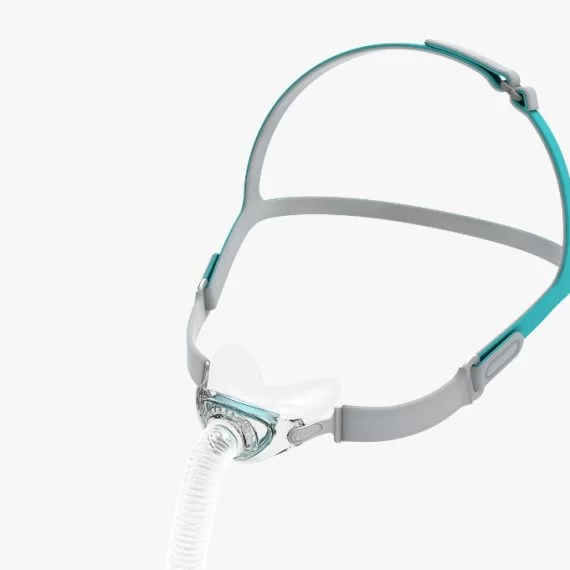
BMC N6 Nasal Pillow Mask — ₹2,690
Pediatric Masks
Beyond the standard full face vs nasal vs pillow mask decision for adults, children on CPAP or BiPAP therapy need masks specifically sized for smaller faces — adult masks, even in a “small” size, generally don’t seal properly on a child’s face. We stock dedicated pediatric nasal masks built for this.
Philips PN831 Pediatric Nasal Mask — ₹4,000
Full Face vs Nasal vs Pillow Mask — Quick Decision Guide
| If you… | Consider |
|---|---|
| Breathe through your mouth or have nasal congestion | Full Face Mask |
| Breathe through your nose, want to read or wear glasses | Nasal Mask |
| Sleep on your side, dislike facial contact, low-moderate pressure | Pillow Mask |
| Are fitting a child for therapy | Pediatric Mask |
If you’re still unsure after comparing full face vs nasal vs pillow mask options against this table, start with what your CPAP or BiPAP machine’s prescribed pressure allows, since that narrows the choice before comfort preference even comes into play.
Higher pressure settings generally rule out pillow masks first, leaving full face and nasal as the realistic options — and from there, whether you breathe through your mouth at night usually settles the final choice between those two.
Mask fit is a genuinely individual decision — the U.S. National Heart, Lung, and Blood Institute’s overview of CPAP therapy notes that trying different mask styles is common and normal for finding what works long-term.
Caring for Your Mask, Whichever Type You Choose
Regardless of whether you land on full face, nasal, or pillow, mask cushions wear out over time as the silicone loses its seal — most manufacturers recommend replacing cushions every 3-6 months, and full mask frames roughly once a year.
A worn cushion is one of the most common causes of air leaks and mask discomfort, often mistaken for choosing the wrong mask type entirely when it’s really just time for a replacement part.
Daily rinsing with mild soap and water, away from harsh detergents, extends cushion life and keeps the seal reliable night after night.
Not sure which mask type suits your therapy? WhatsApp our team your machine model and pressure setting, and we’ll help you settle the full face vs nasal vs pillow mask question for your specific needs.
Frequently Asked Question
Can I switch mask types if my current one isn’t comfortable?
Yes — many patients try more than one mask type before finding what works best for their sleep position and breathing pattern. Switching between full face, nasal, and pillow styles is common and doesn’t require a new prescription, just the right mask fitted to your existing machine.
Is a full face mask always better for high pressure therapy?
Generally yes — full face masks tend to hold a more stable seal at higher pressures than pillow masks, which is why they’re more commonly recommended for BiPAP therapy or higher CPAP pressure settings.
Do children need a different mask than adults?
Yes — children need masks specifically sized for smaller faces, like our Philips PN831 Pediatric Nasal Mask. Adult masks, even in a small size, generally won’t seal properly on a child.